

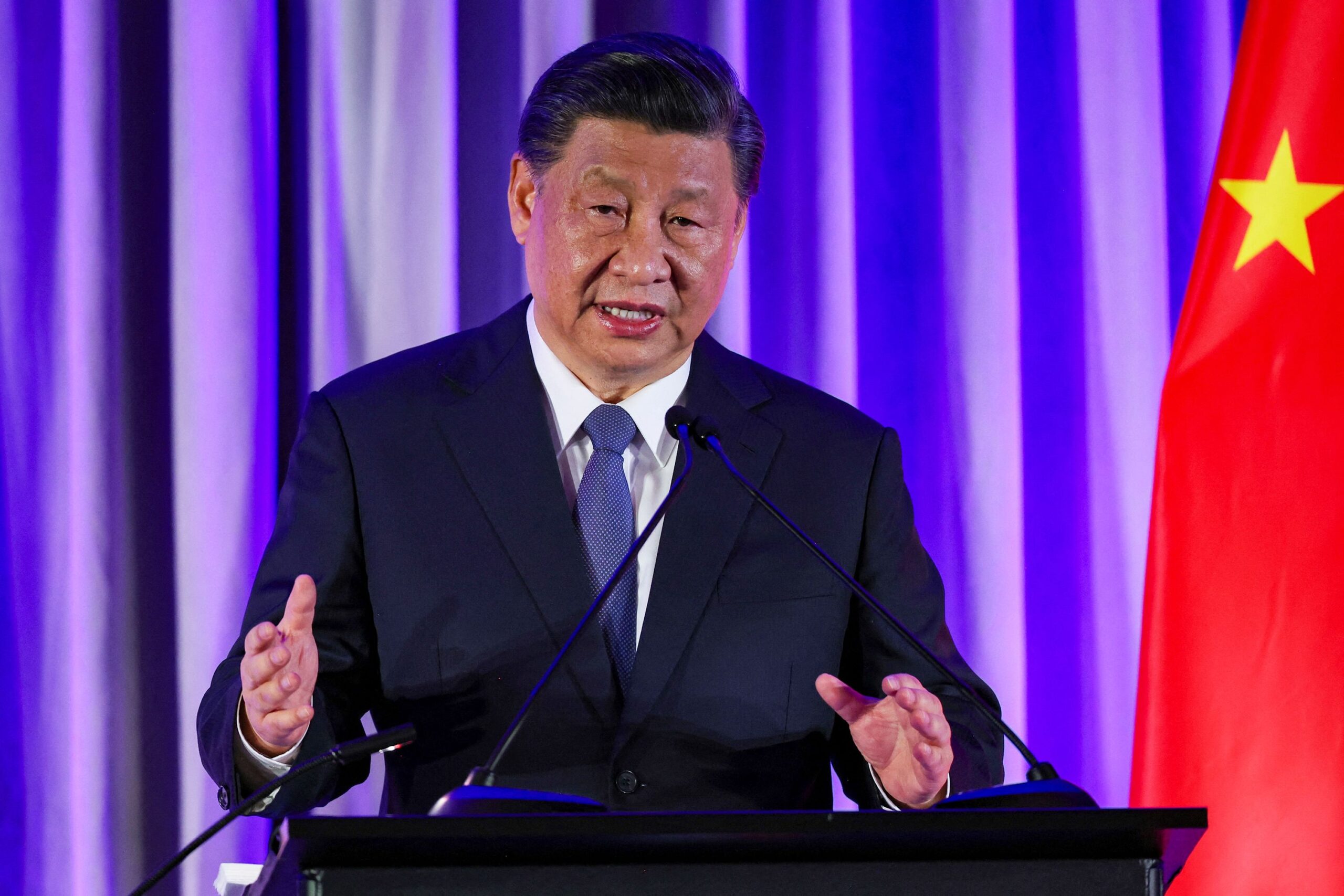
China will host the APEC Economic Leaders’ Meeting in Shenzhen in November 2026, as announced by President Xi Jinping on Saturday. This significant event will bring together leaders from 21 Asia-Pacific economies, marking China’s third time as the host.
The announcement came during the concluding session of the ongoing APEC summit in Gyeongju, South Korea. President Xi emphasized the importance of the summit in promoting economic cooperation within the Asia-Pacific region.
Shenzhen, known as a global technology hub, presents itself as an ideal location for the meeting that focuses on economic growth, trade collaboration, and regional integration. Expectations are high for discussions that will address pressing issues such as digital trade, sustainable development, and the impact of global economic challenges.
Xi Jinping’s statement on China’s hosting responsibilities underlines the country’s growing influence in global economic affairs. The APEC summit serves as a crucial platform for these 21 economies to engage in dialogues on pivotal trade agreements and economic partnerships.
This upcoming summit will hold particular importance as nations emerge from the economic disruptions caused by the COVID-19 pandemic. Analysts predict that key discussions may involve strategies for post-pandemic recovery and initiatives aimed at fortifying supply chains across the region.
As APEC members prepare for the 2026 summit, they anticipate robust debates on climate change impacts on trade and the role of technology in fostering economic resilience. This forum is vital for reinforcing trust and collaboration among member nations.
The Asia-Pacific Economic Cooperation, founded in 1989, emphasizes free trade and sustainable development across its member economies. Previous summits witnessed significant advancements, including resolutions on increasing trade and investment facilitation among the members.
China’s announcement of the 2026 summit continues its commitment to engaging in multilateral trade platforms. With an aim to promote inclusive growth and stability within the Asia-Pacific, China seeks to lead discussions that address regional and global economic challenges. Moving forward, many will watch closely how these developments unfold and influence cooperative strategies in the years to come.
