
The Congress party announced its unwavering stance against any attempts to widen the scope of post-facto environmental clearances. The party’s announcement came in light of the Supreme Court’s recent decision that reinforced strict environmental regulations.
On Wednesday, the apex court quashed a 2021 office memorandum that allowed the Central and state governments to grant retrospective clearances to projects that started without prior environmental approval. This decision marked a significant development in the ongoing debate over environmental protection in India.
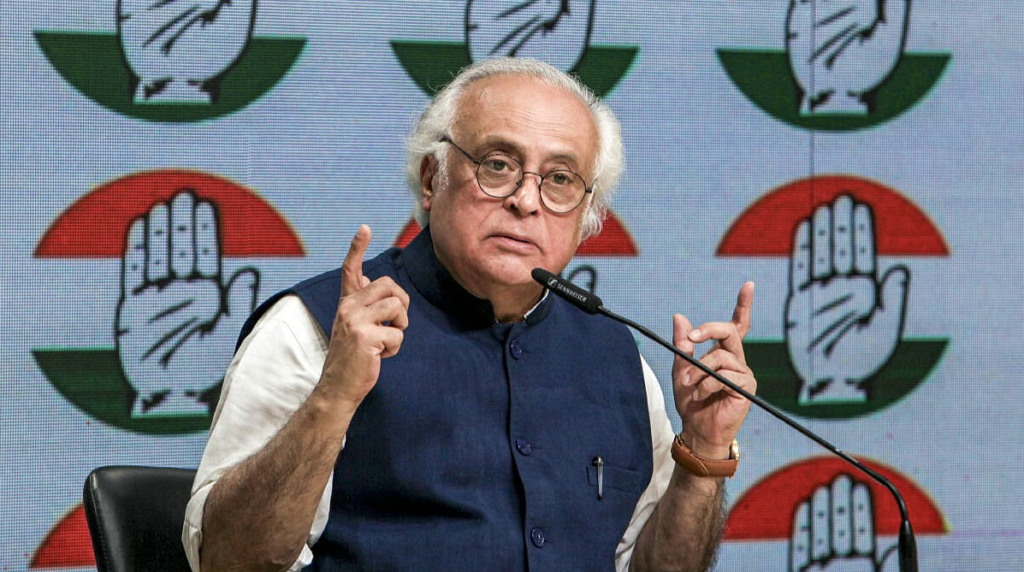
Jairam Ramesh, Congress leader and former environment minister, underscored the importance of the court’s ruling, noting that it supports the foundational principles inherent in India’s environmental legislation.
“The Supreme Court emphasized that prior environmental clearance is non-negotiable. The retrospective approval processes initiated through the 2017 Notification and 2021 memorandum favored illegality and directly undermined the Environmental Impact Assessment (EIA) process,” Ramesh stated on X.
The Supreme Court’s ruling resonated with environmental advocates nationwide as it sent a clear message: environmental laws are critical to safeguarding India’s natural resources. Ramesh highlighted the dissent by Justice Ujjal Bhuyan, who cautioned against the adoption of post-facto environmental clearances. He asserted that such approvals fundamentally contradict established environmental jurisprudence.
While the court’s ruling rejected retrospective clearances, it intriguingly allowed for the possibility of creating a statutory mechanism for post-facto approvals under “exceptional circumstances.” Ramesh expressed concern that this opens a gateway for potential misuse, citing various projects from Great Nicobar to Chhattisgarh that could exploit such provisions.
“Communities across India are witnessing a troubling trend where both governments and corporations treat environmental regulations as mere formalities. This undermines the fundamental right to a clean environment,” he explained.
Expressing solidarity with citizens and environmental activists, Ramesh reiterated Congress’s commitment to opposing any initiatives aimed at diluting environmental protections. “For the past 17 years, I have stood with countless citizens in campaigns against the erosion of our vital environmental safeguards,” he added.
A bench consisting of Chief Justice Surya Kant and Justices Joymalya Bagchi and Vipul M Pancholi delivered a unanimous verdict on this matter, underscoring the necessity of adhering to environmental laws. The court ruled that the invalidity of the 2021 memorandum would take effect prospectively, thus protecting projects that previously received retrospective clearances.
The Supreme Court also affirmed that the government retains power under the Environment (Protection) Act, 1986 to craft statutory notifications for addressing non-compliant projects, as this serves the larger public interest. Projects such as the AIIMS Medical College in Odisha and the Centre of Excellence for Cancer Diseases in Tamil Nadu were highlighted as examples of vital initiatives that needed this protection.
In its ruling, the court emphasized the balance between the human aspiration for development and the collective right of future generations to enjoy a pollution-free environment. The judicial bench referred to the Gandhian principle of sustainable resource use, reinforcing the message that nature should not be exploited for unchecked greed.
Alongside the legal implications of the ruling, Ramesh’s statements reveal a growing sentiment among opposition parties and citizens regarding environmental accountability. The Congress party seems ready to mobilize support against what it perceives as threats to India’s ecological integrity.
In conclusion, Congress’s firm opposition to attempts to liberalize post-facto environmental clearances highlights the ongoing struggle to uphold India’s environmental laws amidst pressures from developmental agendas. As the nation grapples with balancing economic growth with ecological safety, the dialogue will undoubtedly continue to evolve.
