
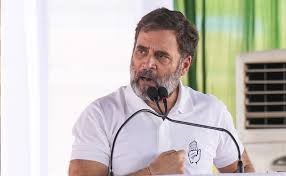
Congress leader Rahul Gandhi criticized Prime Minister Narendra Modi on Tuesday for allegedly betraying the people of Ladakh. He called for a judicial probe into the police shooting that resulted in four fatalities during Saturday’s protests. This tragic incident highlights ongoing tensions in the region, fueled by demands for greater autonomy.
The deceased include Tsewang Tharchin, a veteran of the Kargil War, whose death sparked outrage among political leaders and citizens alike. Gandhi shared a poignant video featuring Tharchin’s father, noting that both father and son have served the nation, and questioned the government’s response to their service.
“We demand an impartial judicial inquiry into these killings in Ladakh,” Gandhi stated in a post on X. He emphasized the need for accountability, urging the government to address the grievances of the Ladakhi people instead of resorting to violence.
Tharchin, alongside three other protesters, lost his life during a demonstration advocating for Sixth Schedule status, which provides greater autonomy and governance for tribal areas. Congress attributed the outrage to the fact that a former soldier had fallen victim to police actions.
Gandhi’s comments reflect a broader sentiment within Congress, as party general secretary Jairam Ramesh expressed similar outrage over Tharchin’s death. Ramesh characterized the incident as unacceptable and noted that Tharchin had bravely defended the nation during his military service, including time spent at the Siachen Glacier during the intense Kargil conflict.
“Tsewang Tharchin was protesting peacefully for their rights, and his death alongside others is a grave injustice,” Ramesh wrote on X. His strong words underscore the political ramifications of the incident, impacting both local sentiment and national discourse.
The violence occurred on September 24, when a protest advocating for statehood erupted after clashes with security forces. Reports indicate that demonstrators set fire to a local BJP office and threw stones at police and paramilitary personnel, escalating tensions in the region.
In the wake of the protests, concerns about the handling of the situation rose. Activist Sonam Wangchuk faced arrest on September 26 under the National Security Act, indicating a growing crackdown on dissent in the region.
The recent violence draws attention to Ladakh’s pressing demands for representation and governance, as locals feel their rights are sidelined amidst political maneuvers. With the Congress party leading the charge, the call for justice and accountability resonates deeply among those affected by the turmoil.
As public outcry intensifies, it remains to be seen how the government will respond to Gandhi’s demands and the growing calls for an investigation into the tragic events in Ladakh. The ongoing situation underscores the complex dynamics of governance and military engagement in this sensitive region.
