
India Urges Global Action Against Terrorism in Afghanistan
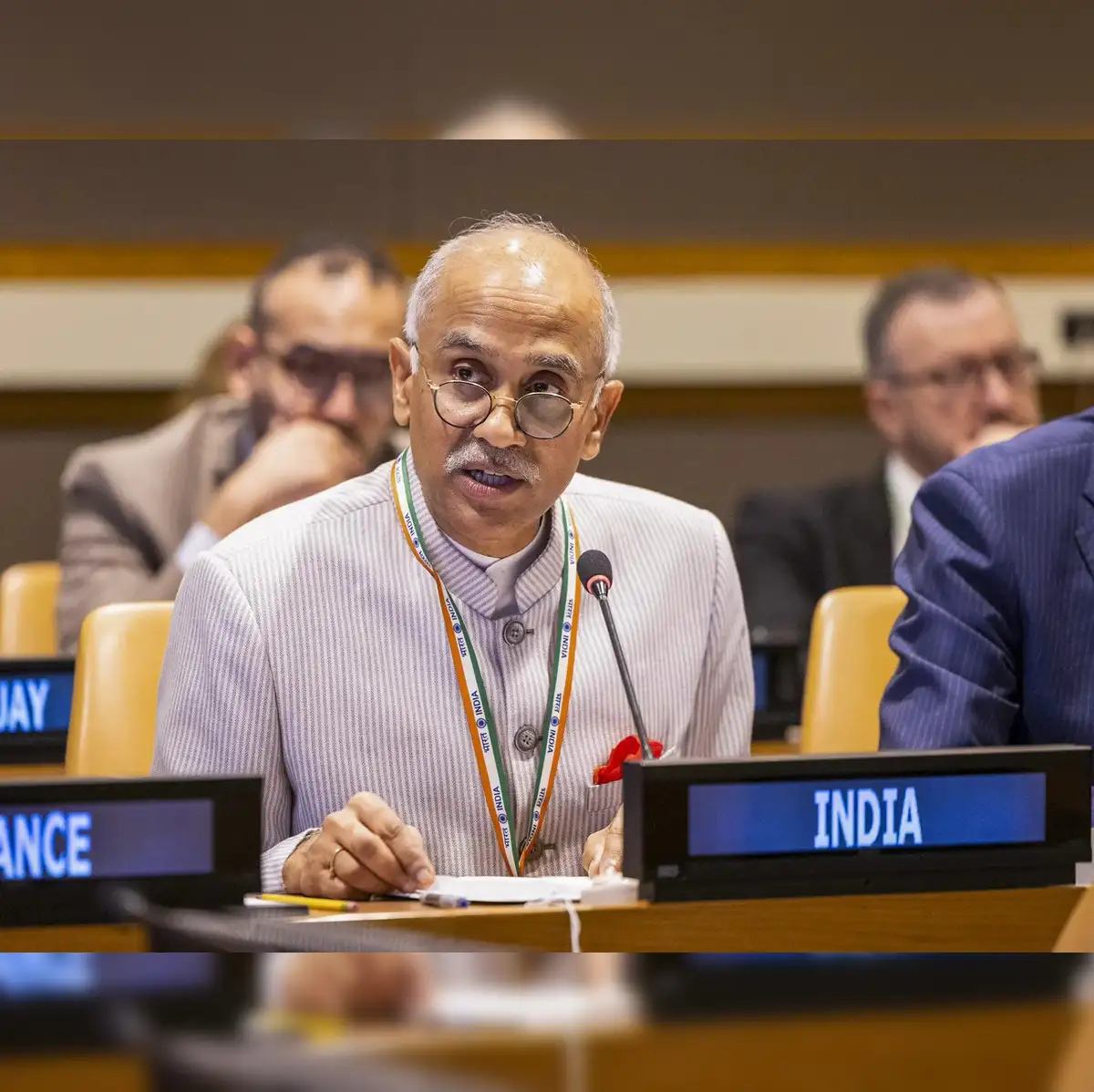
India has called on the international community to prevent designated terror groups, specifically Lashkar-e-Tayyiba (LeT) and Jaish-e-Mohammed (JeM), from exploiting Afghan territory for terrorist activities. This appeal was made during a UN Security Council meeting led by India’s Permanent Representative to the UN, Ambassador Parvathaneni Harish.
Harish emphasized the importance of collective international efforts, stating, “The international community must coordinate towards ensuring that entities designated by the UN Security Council, including ISIL and Al Qaeda, alongside their affiliates, cease operations in Afghanistan.” The reference to Pakistan was unmistakable, as he highlighted the ongoing threat posed by these organizations.
Importance of Peace and Stability in Afghanistan
With Afghanistan battling political turmoil, Harish noted, “India and Afghanistan share a civilizational relationship,” underscoring Delhi’s strong interest in fostering stability in the region. Harish’s statements come amid a rapidly evolving situation in Afghanistan, and India’s consistent push for peace reflects broader concerns for the Afghan populace.
He stressed, “Engaging with all relevant parties is essential to promote peace, stability, and development in Afghanistan.” This involvement is exemplified by India’s active attendance at international meetings aimed at supporting Afghanistan.
Humanitarian Efforts and Developmental Support
Following last month’s devastating earthquake in Afghanistan, India took immediate action by dispatching humanitarian assistance, including 1,000 family tents and 15 tonnes of food supplies to the affected provinces. Harish remarked that a total of 21 tonnes of additional relief materials—such as essential medicines, hygiene kits, and blankets—are also on their way to the stricken region.
In a broader context, Harish highlighted India’s long-term commitment to Afghan development, stating that since the Taliban’s takeover in August 2021, India has provided significant assistance, including 50,000 tonnes of wheat, medicines, and vaccines. This humanitarian support emphasizes India’s non-negotiable commitment to meeting the needs of the Afghan people.
Addressing the Complexities of Post-Conflict Afghanistan
Harish noted that Afghanistan’s post-conflict situation requires a multifaceted approach. He remarked, “Focusing only on punitive measures is unlikely to yield positive outcomes.” Instead, he advocates for a strategy that incentivizes positive behavior while discouraging harmful actions. This new approach is crucial for improving the dire situation faced by many Afghans.
He also pointed out, “After over four years under a sanctioned regime, the Afghan people have seen little progress in developmental assistance,” stressing the need for a fresh policy framework to help those suffering from poverty, disease, and hunger.
India’s actions not only demonstrate a commitment to humanitarian assistance but also a vested interest in fostering a *stable, peaceful, and prosperous Afghanistan*. Harish concluded by stating India would maintain dialogue with all stakeholders to support international efforts aimed at achieving these objectives.
