
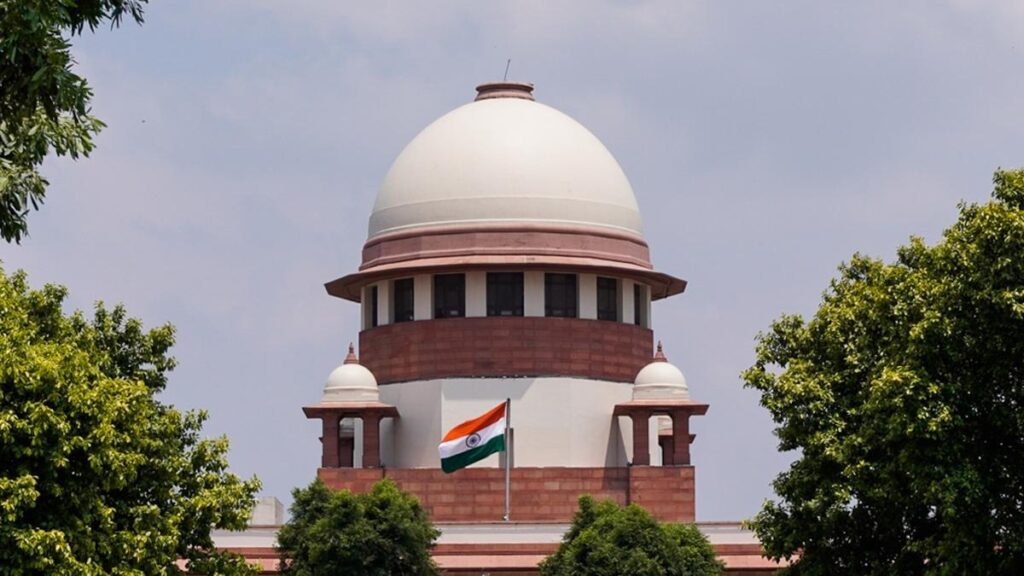
The Supreme Court has decided to set up a high-powered committee to investigate allegations of police excesses against student demonstrators during the NEET protest in Delhi. This announcement came on Tuesday, from a bench led by Chief Justice Surya Kant and comprising Justices Joymalya Bagchi and V Mohana.
The committee will include retired judges, a former Director General of Police (DGP), a former Central Bureau of Investigation (CBI) director, and other distinguished members. The formal order to establish this committee will be issued on Wednesday after the court receives suggestions from various parties regarding potential additional members.
In a significant move, the apex court has instructed that video footage and CCTV recordings related to the unrest during the July 20 march towards Parliament be handed over to the committee for thorough examination. This committee will also investigate specific allegations made by female protesters who claimed they were targeted during the protests.
The bench urged Solicitor General Tushar Mehta to provide details regarding FIRs that implicate the student protesters. The court suggested that it may use its powers under Article 142 of the Constitution to quash the cases against these students. “It is the life of students, which is at stake. We must consider their future. They have a right to protest under Article 19,” the bench emphasized, pushing back against arguments for the immediate quashing of cases without an apology from the students.
Mehta informed the court that the police had identified over 2,800 ‘anti-social elements’ allegedly responsible for the violent incidents during the protests, many of whom had prior records of serious offences. The court underscored that these accusations should not unfairly tarnish the reputations of genuine student protesters.
On August 3, the Supreme Court previously clarified that its mention of students with “criminal antecedents” applied solely to those involved in grave offences. The court indicated that state authorities could drop FIRs against other students participating in the NEET protest following applicable legal procedures. This clarification arose after the Union government expressed a commitment to cease pursuing FIRs against students involved in the protests, given they did not possess criminal backgrounds.
The Supreme Court had earlier noted that police excesses, including the use of lathi charges, cannot be justified simply due to a protest. The court reiterated that the right to peaceful protest is a fundamental right in Indian democracy. The incidents that unfolded on July 20 during the march had led to tense confrontations between protesters and law enforcement. Security personnel deployed lathis and tear gas to disperse crowds aiming to reach Parliament.
This development holds significant implications for student rights and institutional accountability in India. As the Supreme Court continues to highlight the importance of safeguarding the right to protest, it reinforces the belief that every citizen deserves protection against undue police violence.
The high-powered committee’s formation represents a critical step toward addressing these pressing concerns of civil liberties and ensuring justice for affected students in future protests.
