
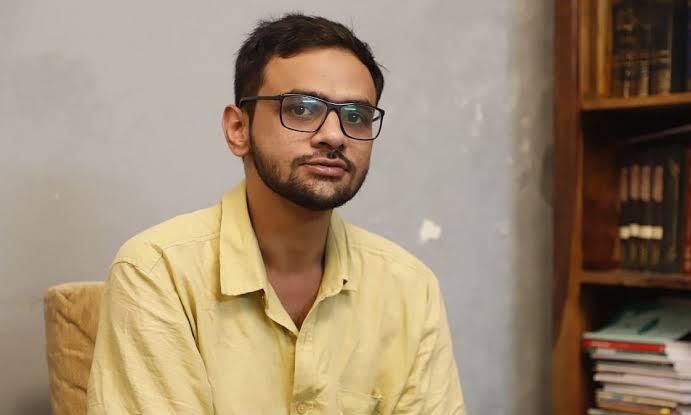
The Delhi High Court took a significant step on Friday by seeking the Delhi Police’s response to activist Umar Khalid’s bail application. This plea concerns the Unlawful Activities (Prevention) Act (UAPA) related to the allegations surrounding the February 2020 riots in north-east Delhi.
During the proceedings, Justices Prathiba M Singh and Vikas Mahajan issued a notice requiring the police to file their response within two weeks. Khalid’s counsel informed the court that this marks the activist’s third bail application since his arrest in September 2020.
The court has scheduled to hear Khalid’s plea on August 27, coinciding with the bail plea of co-accused Sharjeel Imam, who faces similar charges.
Khalid challenges a trial court’s decision from July 4 that dismissed his previous bail application. The Additional Solicitor General, S V Raju, representing the Delhi Police, mentioned that the trial court’s decision also affected Imam’s situation, suggesting that both cases could be jointly addressed by the bench.
Umar Khalid stands accused under the UAPA amid allegations that he was one of the masterminds behind the riots that resulted in the tragic loss of 53 lives and left over 700 injured. The violence ensued during protests against the Citizenship (Amendment) Act (CAA) and the National Register of Citizens (NRC).
In addition to Khalid, prominent activists such as Khalid Saifi and former AAP councillor Tahir Hussain have also been implicated in this alleged larger conspiracy, which is currently under investigation by the Special Cell of the Delhi Police.
The trial court’s rejection of Khalid’s bail plea in July highlighted the rigid framework surrounding the UAPA. The court remarked that it had “no option but to follow” a Supreme Court order from January, further complicating Khalid’s legal position.
A high court division bench previously denied bail to Khalid on September 2, 2025, with the Supreme Court upholding this decision later on January 5. However, it did grant bail to several co-accused, including Gulfisha Fatima and Meeran Haider, prompting discussions on the differing treatment of the accused, given the established hierarchy of alleged participation in the incidents.
As the judicial inquiry progresses, the attention surrounding the 2020 Delhi riots continues to reveal the complexities of the case and the implications for civil liberties and political activism in India.
